
Writ
In Water

The way that I write these posts changes from one to the next, but there’s a fairly standard process underpinning what ends up here on the virtual page. Often (but not always) it begins with a photograph I’ve taken at some point, either one snapped recently or which has popped up on a screen somewhere at home. On other occasions I have an idea which prompts me to go out and take a photograph or series of photographs to illustrate that idea.
Once there’s an image somewhere, then the words start to rattle around inside my head, bouncing off the sides and echoing in the empty spaces, until something reasonably coherent takes shape, at which point the words start to transfer themselves, through my fingers and the computer keyboard, forming themselves into sentences, then paragraphs, and then much more, usually (but not always) illustrated by more pictures that are related, more or less, to the story taking shape.
At other times, though, things happen differently. I had an idea for what I wanted to write this time about a week ago. I knew back then that I’d be quite busy this week, since I was going to be out at a conference for several days, which meant that I had to finish some things before I left, and then focus fully on the conference in question when I got there, leaving me very little time to come up with anything at all cogent for this post.
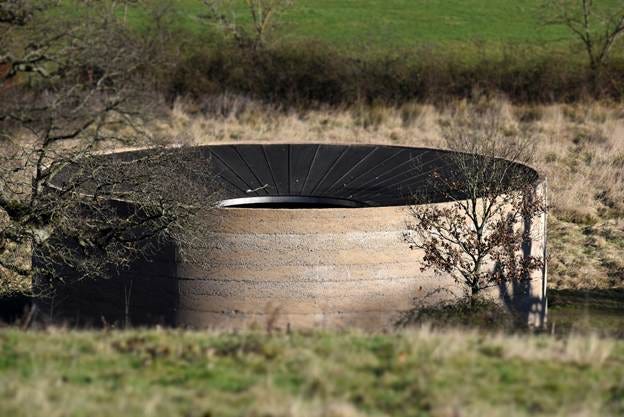
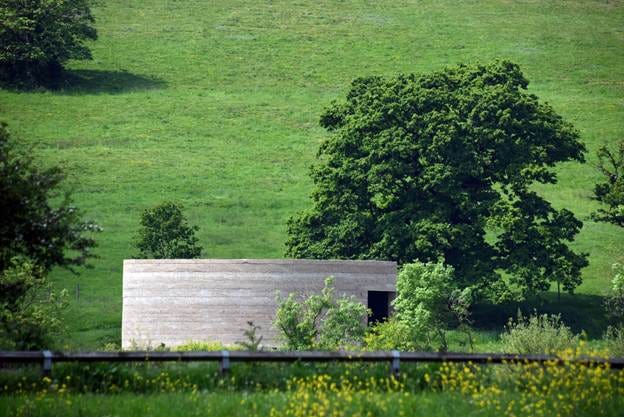
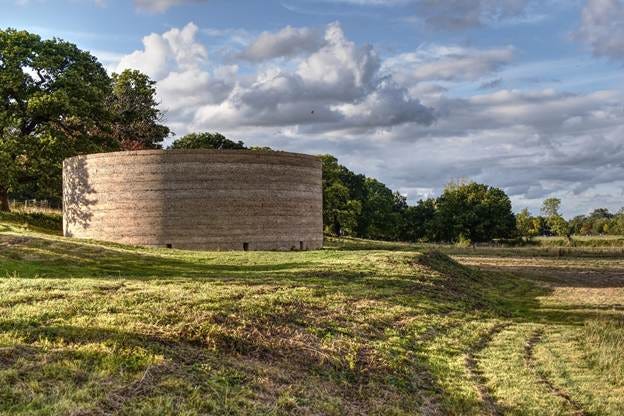
My idea was to in fact just relax my mind, and not really worry about it, by writing a post about a place near here that I really enjoy visiting. I’ve already written about the wider Runnymede space, but within that site, the newest installation is a piece called Writ in Water. Created by Mark Wallinger, and opened around 8 years ago, at first sight it doesn’t look like much. In fact it looks like the sort of place a farm might use to store water, or an above-ground sewage treatment works, but it’s much more than that.
Most people reach it by walking across the meadows at Runnymede, following in the footsteps of King John and his barons, at the place where, by most accounts, the Magna Carta was signed the best part of a millennium ago. It also possible to reach it from the opposite direction, or indeed by walking straight down Cooper’s Hill, in which case it’s always a good idea to pop into the RAF memorial first, both to contemplate the many names inscribed there, and to admire the views from the top.
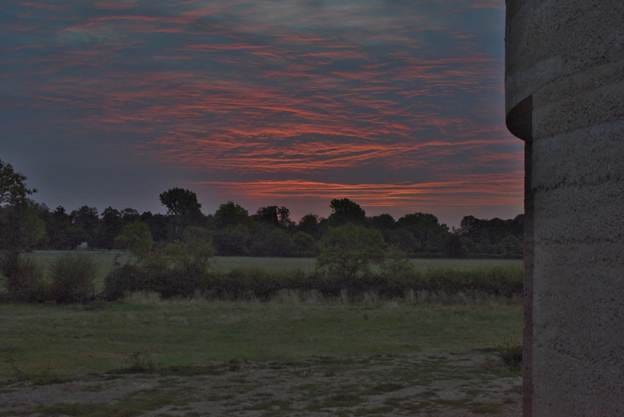
From a distance, it doesn’t look particularly big, but when you get closer it’s actually quite imposing and, in fact, feels more like a military installation, rather like the large second world war German bunkers that you still find dotted along the French coast.
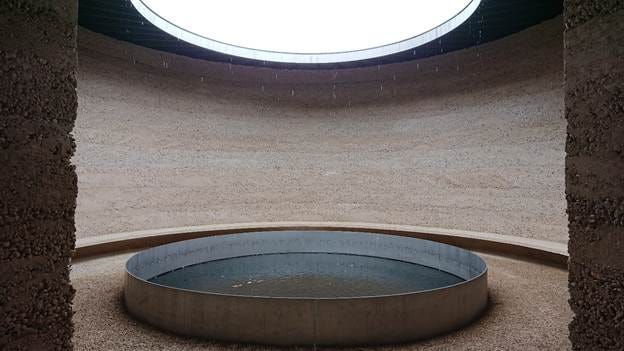
You go in through a doorway, and then follow a curved walkway (either way, left or right, since they lead to the same point) until you reach another doorway on the opposite side of the building, which leads into an inner chamber open to the sky.
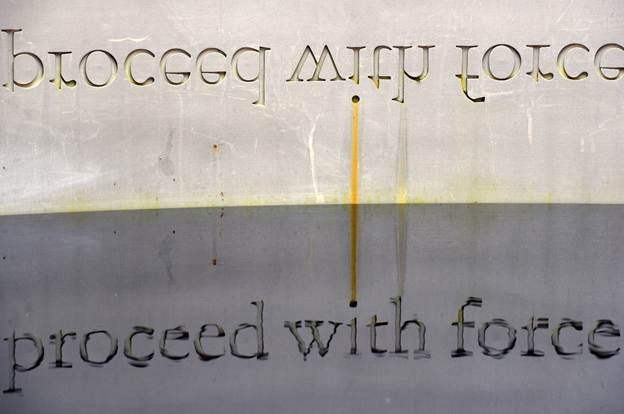
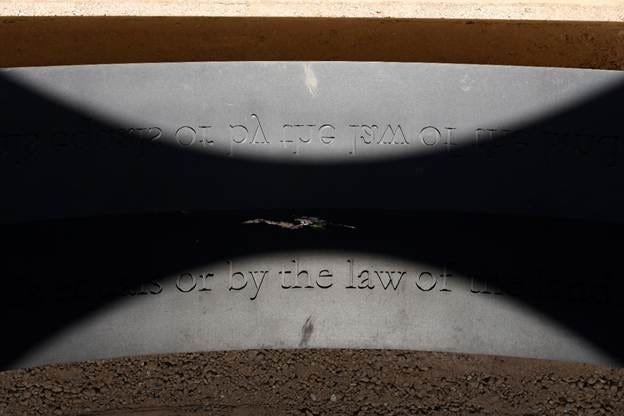
Inside, there’s a pool of water, around which is inscribed some text from Magna Carta, specifically Clause 39, setting out the fundamental principles of justice. The words are inverted, but reflected the right way up in the water. The pool is usually perfectly still, but if it’s raining then the message becomes less clear, which is a good metaphor for what sometimes happens to justice itself, which can be obscured by shouting before reasserting itself as things calm down and become clear again.
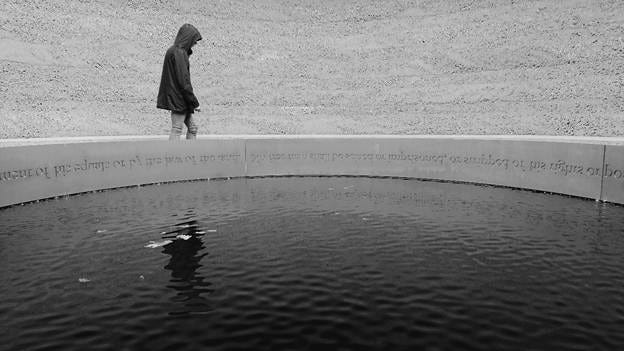
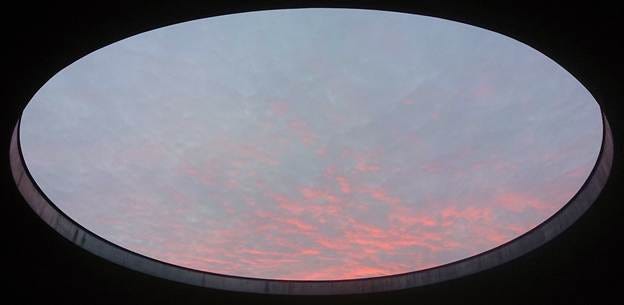
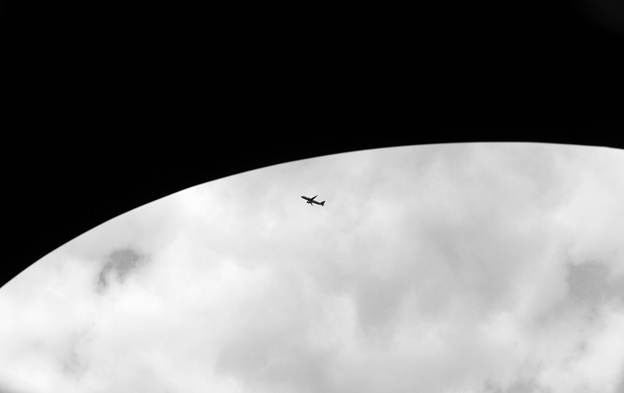
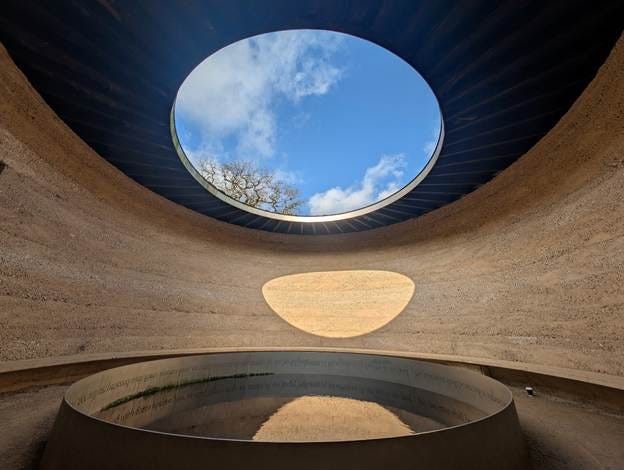
Finally, it’s worth pointing out that I’m far from the only person who enjoys taking photos in there, although I suspect I might have a good claim for the largest collection, taken over the longest time.
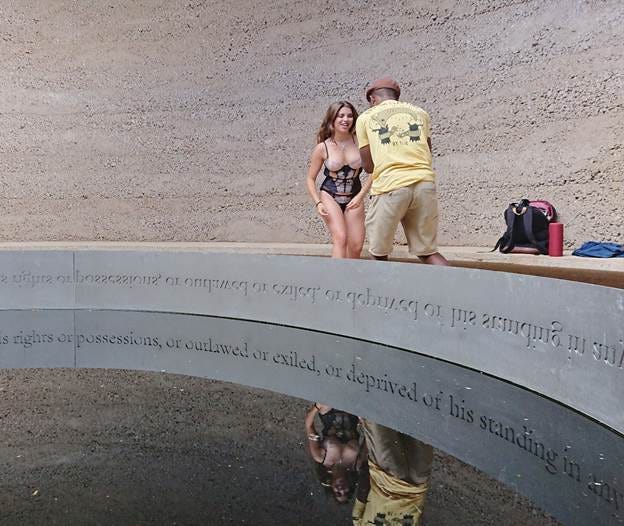
Not long after Writ in Water opened, I went there to add a few pictures to my collection. When I got inside, there were some people in various states of undress merrily taking photos and video. Being quintessentially British, I apologised for getting in their way and left, but not before taking a quick photo of them hard at work, and apparently enjoying themselves too, which is always a good thing.
Given how recently the place had opened, I was impressed that they already knew it was there, and I’ve always wondered since whether it was an end of year project, or for a music video, or something else. Since nearly a decade has now elapsed, I’ll never find out now, and when I got back outside, you could see people from the National Trust building hot-footing it across the meadow to chase them away, so I hope they managed to get whatever shots they needed before they were turfed out.
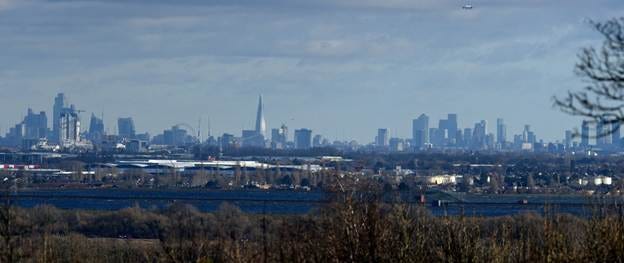
And so, outside in the world again, the big city and the busy airport nearby, and the M25 probably at a standstill on the other side of the river, it’s time to end this little post about a concrete structure in a meadow on the edge of Surrey.
Thank you for reading, or more precisely in this case thank you for looking at a set of pictures all taken in roughly the same spot, but over a period of about eight years.
If, quite understandably, the thought of subscribing is too much to contemplate, but you’ve enjoyed reading something I’ve written, then you also have the option to simply buy me a bottle of water (contributions may in fact be used to buy a cup of tea, but I won’t tell if you don’t ask).
Truly amazing photos there Paul!
What an interesting installation. You covered it well; great photo essay.